
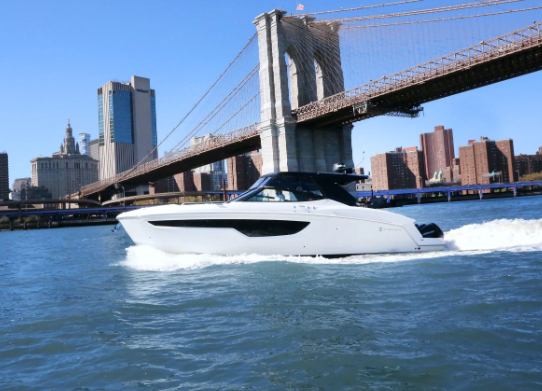
Good private boat tour NYC planning starts with the occasion, the people coming aboard, and the kind of time you want on the water. A private charter gives your group the freedom to shape a New York Harbor or Hudson River experience around your own plans, rather than fitting the day to a shared tour schedule.
Contact the concierge to discuss your charter
Start with four details: your date or date range, the number of guests, the occasion, and the experience you hope to create. These answers make it easier to discuss vessel fit and availability without choosing a boat based only on a photograph or a headline rate.
Big Apple Charters operates from Chelsea Piers and serves New York City, the Hudson River, and New York Harbor. The private yacht tour options can help you frame the conversation, but the right plan depends on your group, occasion, and timing.
Choose by capacity first, then compare the atmosphere and amenities that matter to your group. The figures below are published hourly starting ranges or ranges; your actual quote can depend on day, timing, and the details of the charter. Confirm the full price, fees, and any add-ons before you sign.
| Vessel | Comfortable capacity | Published hourly pricing | Best planning fit |
|---|---|---|---|
| Manhattan Mermaid | Up to 8 guests | $300–$400 per hour | An intimate, open-air bow-rider experience; drinks only. |
| Hudson Star | Up to 12 guests | $500–$800 per hour | A mid-sized yacht with fuller amenities; refrigerators for chilled storage. |
| Skyline | Up to 30 guests comfortably | Weekday: $1,250 per hour plus 20% service fee. Weekend or sunset: $1,500 per hour plus 20% mandatory service fee. | A larger event setting with a custom upscale lounge vibe and a galley bar. |
Capacity is a planning limit, not a suggestion to squeeze in one more guest. If your headcount is close to a vessel’s limit, give the concierge the exact number before settling on a boat. If your group has seven or more guests, ask about the applicable captain/bareboat rule as part of the planning conversation. That requirement is specific to the charter, so do not assume the arrangement or ask for an exception.
Explore the individual Manhattan Mermaid, Hudson Star, and Skyline pages when you compare vessel styles. If the group is larger than 30, a Big Apple Charters vessel will not fit; do not plan around exceeding the stated capacity.
A shared tour follows an operator’s fixed schedule and carries guests who booked separately. A private charter is reserved for your own group, so the occasion and the conversation with the charter team can shape how the time is used. That distinction matters when you are celebrating, bringing colleagues together, or coordinating a group with different preferences.
For a shared tour, you generally select from the departure times and format on offer. For a private experience, you can explain what you want the outing to feel like and ask what can be arranged for your chosen vessel and date. Private does not mean every request is automatically possible: capacity, vessel features, operating conditions, and the agreed charter plan still govern.
The National Park Service’s Channel Islands plan, for example, describes access as predominantly by private boat or tour boat. That is a destination-specific example, not guidance for New York Harbor, but it shows why travelers should check whether a boat experience is private or shared rather than assuming the label tells the whole story. For NYC, review the private harbor cruise information and ask how your proposed outing would be arranged.
Describe the experience you have in mind before requesting a route. You might be drawn to the New York Harbor, the Hudson River, the Statue of Liberty, the Brooklyn Bridge, or the Manhattan skyline. Mention the landmarks that matter to you and ask the team what is realistic for your date, departure, vessel, and allotted time.
A list of landmarks is a starting point, not a promise that every stop or viewpoint can be included. Water conditions, traffic, the time available, and the captain’s judgment can shape the final plan. Avoid building a celebration around a precise pass-by time unless the charter team confirms that it can be accommodated. If a specific landmark is essential, make it clear when you inquire and confirm the agreed plan before the event.
Think about pace as well as distance. A relaxed outing with time to talk may call for a different plan from a milestone celebration where guests want a few planned moments. Leave room for boarding, settling in, and enjoying the boat; an itinerary that tries to fit too much into a limited charter can feel rushed. You can browse sunset cruise details if evening light is central to your plans, then ask about the timing available for your date.
Start with the vessel’s hourly rate, then ask for the complete quote for your specific date and plans. Published prices vary by vessel, and the Skyline has different weekday versus weekend or sunset rates as well as a 20% service fee. Do not compare one boat’s hourly figure with another charter’s total until you understand what each amount includes.
When you request pricing, get clear answers to these questions:
Rates can vary across midweek, weekends, sunset timings, and peak dates. A lower hourly rate may not be the right comparison if the boat does not suit your group or requested experience. Review the current yacht charter pricing and ask for the amount that applies to your exact plans. Custom catering is not the same as a restaurant-style meal; food arrangements depend on the vessel. For example, the Manhattan Mermaid is drinks only, the Hudson Star has refrigerators for chilled storage, and the Skyline has a galley bar with custom catering.
Big Apple Charters operates from April 1 through November 30. If you have a fixed event date, start the conversation early enough to discuss vessel availability and alternatives. If your plans are flexible, share more than one possible date or time window. That gives the team a clearer picture of what could work without assuming a particular boat is available.
Availability is not confirmed until the charter team explains the next steps and the reservation is properly arranged. Give the concierge your preferred date, a backup if you have one, the total guest count, and a realistic time window. For a busy occasion, it also helps to name the one or two details you care about most, rather than treating every preference as non-negotiable.
Before you commit, make sure the plan is clear enough for the host and guests to follow.
One useful way to check the plan is to imagine the day from a guest’s point of view. Where should they meet the group? What time should they arrive? Who can answer a question if they are running late? What has already been arranged for the boat, and what should they bring themselves? If you cannot answer those questions from the written details, ask before the event rather than filling gaps with assumptions.
For a celebration, agree on the sequence of key moments with the person coordinating the charter. If you have a toast, gift, or surprise planned, tell the team what timing you hope for and ask whether it can fit the outing. Keep the plan flexible enough to adapt to the actual conditions and the captain’s direction. Avoid bringing items or setting up an activity before you have confirmed it is appropriate aboard.
For a work gathering, consider how the group will use its time together. A client reception, employee celebration, and team outing do not all need the same tone. Let the charter team know whether you want a more social or more structured feel, then ask what the chosen vessel can support. If the group is near a capacity threshold, share the accurate attendee count early so the boat selection is based on the real group size.
It also helps to identify one host who can make decisions and pass along confirmed information. That does not change the single-signer contract requirement: the designated contract signer must still be one physical person. Keep the contract, final quote, and charter details together so the host can refer to the same agreed plan if questions arise. This small bit of organization can reduce last-minute messages and let guests focus on being together.
After reviewing the details, check that the guest count, date, duration, fee information, requested add-ons, and policy questions have all been addressed. If something important has changed since the inquiry, tell the concierge and ask how it affects the plan. A clear reservation conversation is the simplest way to avoid confusion about what has—and has not—been confirmed.
Confirm the vessel, date, start time, duration, departure location, guest count, quoted total, included service fees, and any agreed add-ons in writing. Ask how early guests should arrive and what they need to know about boarding. For location information, see the Chelsea Piers charter details.
There are two important contract and policy details to handle directly with the charter team:
For a special event, share the schedule and any planned surprises before the day. Ask what can be prepared aboard and what should remain on shore. If you are considering catering, check the vessel-specific setup and choices on the onboard catering page. Thoughtful advance coordination makes the experience smoother without relying on last-minute assumptions.
Personalization often comes from a few well-chosen details rather than an overfilled schedule. Tell the team why you are gathering, what the guest of honor enjoys, and what would make the outing feel comfortable. For a birthday, that may mean a relaxed pace and time for a toast. For a corporate group, it may mean knowing who is hosting and how formal the gathering should feel. For a family outing, it may mean explaining the mix of ages and the kind of experience everyone will enjoy.
Be specific about what is important, but leave room for the charter team to recommend what fits the boat. Ask about permitted decorations, music, catering, and timing rather than bringing items or planning activities without confirmation. A clear request lets the team explain what is appropriate and available on that vessel.
Big Apple Charters is a woman-owned company founded by Amal Salameh and approaches each outing as a hospitality experience on the water. To see the range of occasions and vessels, visit the charter photo gallery and the company story. Use those examples for inspiration, then describe your own priorities instead of expecting a previous event to be reproduced exactly.
Share your date and plans with the concierge
Big Apple Charters’ three vessels accommodate groups of up to 30 guests, depending on the boat: Manhattan Mermaid fits up to 8, Hudson Star up to 12, and Skyline up to 30 comfortably. Share your full headcount before choosing a vessel. Groups of seven or more should ask the charter team about the applicable captain/bareboat rule.
Share the landmarks and type of outing you prefer, then ask what is practical for your vessel, departure, and time on the water. A preferred route is a planning request, not a guarantee; the final plan is subject to the agreed charter details and operating conditions.
Ask about options for the specific boat. The Manhattan Mermaid is drinks only and has no galley or dining area; the Hudson Star has refrigerators for chilled storage; the Skyline has a galley bar with custom catering. Confirm available choices and pricing before making arrangements.
Cancellations are permitted only under a USCG Small Craft Advisory. Review the applicable policy with the charter team before signing, and do not assume that rain or an ordinary forecast change qualifies.
The contract requires a single physical signer. Choose that person before the reservation is finalized and confirm the contract steps with the charter team.
Contact the concierge to plan your private charter
With your date, headcount, priorities, and questions ready, you can have a focused conversation about the vessel and plan that will make your time on New York’s waterways feel personal.


Begin Your Voyage
We respond very quickly - but also feel free to text us at 212-401-4031


